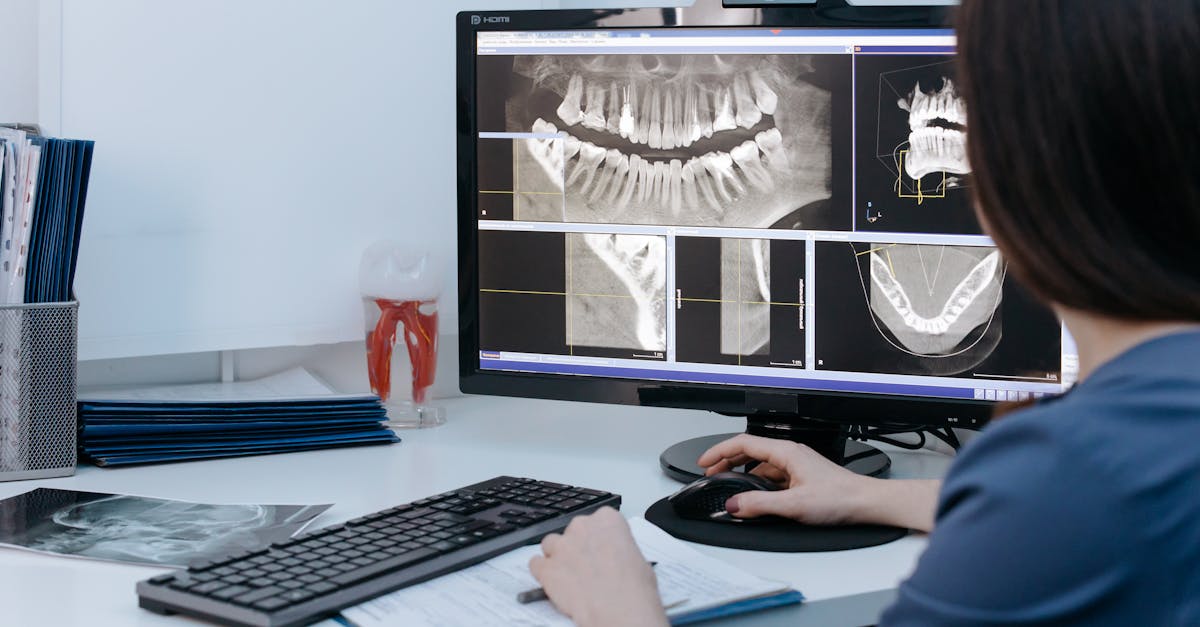
Key Takeaways
- Image quality and resolution are critical for accurate diagnoses; look for sensors with high resolution (at least 20 lp/mm) and advanced technology for clearer dental X-rays.
- Ensure sensor size and compatibility match your patient needs and practice workflow; choose sensors that fit both pediatric and adult patients and integrate seamlessly with your current dental software.
- Durability and build quality affect long-term value; opt for well-constructed sensors with reinforced cables and waterproof designs for a longer lifespan and fewer repairs.
- Prioritize software integration and ease of use; select sensors that work smoothly with your existing management and imaging software to streamline daily operations.
- Consider the total cost, including initial investment, long-term maintenance, and warranty coverage to protect your practice financially over the sensor’s lifespan.
- Focus on patient safety and comfort; choose sensors with ergonomic designs and low radiation dose technology to enhance the patient experience and meet regulatory standards.
When purchasing a dental X-ray sensor, prioritise image quality, resolution, and compatibility with existing practice management systems. Modern sensors with at least 20 line pairs per millimetre resolution provide clearer diagnostic images whilst reducing radiation exposure by up to 40%. Essential considerations include durability, ergonomic design for patient comfort, and seamless software integration. Suppliers like prodentshop.com offer reliable sensors with comprehensive warranties and support services to optimise workflow efficiency and long-term value in dental practices.
Key Features to Consider When Buying a Dental X-ray Sensor
Dental X-ray sensor choices directly affect diagnostic accuracy and workflow efficiency in clinics. ProDENT in Tampa, Florida supplies dental practices across the US, focusing on digital imaging solutions that meet strict reliability and performance standards.
Image Quality and Resolution
Image quality and resolution determine the ability to identify detail in dental radiographs. Sensors with resolution of at least 20 line pairs per millimeter (lp/mm) consistently produce sharper images that reveal subtle caries and root fractures. Consistent grayscale range improves detection of bone loss and pathology, especially in multisite practices requiring standardized image review. ProDENT sources sensors from manufacturers meeting FDA and ADA requirements for consistent diagnostic results. Sensor technology with CMOS and dynamic range enhancement reduces retakes, increasing patient throughput and satisfaction. System integration with leading dental software ensures straightforward workflow, transforming digital X-ray investment into dependable diagnostic output.
Sensor Size and Compatibility
Sensor size and compatibility ensure proper fit for patients and integration with existing equipment. Sizes 0, 1, and 2, such as examples from DentiMax and Suni, allow pediatric and adult imaging in mixed practices. ProDENT advisors match sensor models to patient demographics and preferred operatory layout, preventing storage or positioning issues. Compatibility with practice management platforms, such as Dentrix and Eaglesoft, keeps records unified and streamlines data transfer. Direct USB connectivity and wireless data transfer enable smooth workflow in both single-chair and multi-operatory layouts. ProDENT verifies sensor-system compatibility before shipment to clinics in Tampa and nationwide.
Durability and Build Quality
Durability and build quality impact sensor longevity and return on investment. Sensors constructed with reinforced cables, hard-molded edges, and waterproof sealing withstand daily sterilization and accidental drops. ProDENT recommends solutions tested for at least 400,000 exposures as benchmarked by manufacturers like Planmeca and Dexis. High-cycle connectors and shock-resistant housing reduce unplanned replacements and equipment downtime. ProDENT’s local Tampa team inspects and pre-tests units for flaws before client delivery, ensuring sensors meet published build standards for healthcare environments. Practices investing in robust sensors experience lower repair rates and higher patient safety confidence.
Software Integration and Workflow
Efficient software integration and a streamlined workflow boost both diagnosis speed and patient throughput in dental practices. Dental X-ray sensors fully integrated with practice management and imaging software improve daily operations and support accurate treatment planning.
Ease of Use and User Interface
Straightforward software interfaces increase staff efficiency during image capture and review. Systems should feature intuitive navigation, quick access to images, and customizable viewing layouts. For example, platforms with one-click functionality for image enhancement or export help reduce chair time per patient. ProDENT installs sensors that use clear labeling and guided instructions, minimizing user errors and simplifying onboarding for new team members. Centralized dashboards for image archiving and patient records give clinicians rapid access to diagnostic data, supporting faster decision-making.
Compatibility With Existing Systems
Full compatibility with leading imaging and management platforms allows dental X-ray sensors to fit smoothly into the existing ecosystem of dental practices. Sensors must support industry-standard formats like DICOM and work with software such as Dentrix, Eaglesoft, and Open Dental. Clinics across the US choose ProDENT sensors that connect directly to operatory computers, intraoral cameras, and legacy imaging archives, reducing technical disruptions. Seamless interoperability avoids workflow bottlenecks, shortens training cycles, and ensures that new sensors sustain current clinical protocols without extensive hardware updates.
Cost and Warranty Considerations
Dental practices weigh total cost and warranty terms when selecting a dental X-ray sensor. Paying attention to both up-front spending and long-term financial protection impacts return on investment for ProDENT clients in Tampa and across the US.
Initial Investment vs. Long-term Value
Sensor acquisition cost covers the purchase price plus any essential software or installation fees. Some sensors, for example, include imaging software in the initial price, while others require separate licensing. Practices achieve long-term value by considering factors like average lifespan, projected annual maintenance expenses, and the likelihood of needing frequent repairs. Devices with robust build quality and proven reliability, such as those sourced through ProDENT, reduce unexpected replacement costs within five years of daily use. Evaluating both the purchase price and total lifecycle cost safeguards practice budgets as technology advances.
Warranty and Support Services
Warranty coverage for dental X-ray sensors typically ranges from 1 to 5 years, protecting against manufacturer defects and hardware failures. Comprehensive warranties, such as those offered by ProDENT, include on-site support, expedited repairs, and replacement sensors, minimizing workflow downtime. Practices benefit from support services that provide fast technical troubleshooting, online documentation access, and staff training to reduce operational risks. Reliable vendors include dedicated customer support channels, ensuring sensor malfunctions don’t disrupt diagnostics or patient schedules.
Safety and Patient Comfort
Dental X-ray sensor safety and patient comfort impact clinical outcomes and patient satisfaction. ProDENT, Tampa, Florida equips dental practices across the US with certified imaging devices designed for low-risk, pain-free diagnostics.
Radiation Dose Reduction
Radiation dose reduction in dental X-ray sensors limits patient exposure while providing diagnostic accuracy. Sensors from ProDENT use advanced CMOS chip technology that requires less radiation to capture clear images—cutting exposure by up to 40% compared to older CCD-filled models. Proprietary algorithms further optimize image quality without increasing dose. The American Dental Association recommends sensors certified for ALARA (As Low As Reasonably Achievable) compliance to protect both patients and staff. Protective features such as automatic exposure control and pediatric preset modes create a safer experience, especially for children and high-risk patients.
Ergonomic Design
Ergonomic design features in dental X-ray sensors ease insertion and positioning, improving patient comfort and workflow efficiency. ProDENT supplies sensors with rounded, beveled edges and slim profiles to minimize soft tissue irritation—especially for pediatric and geriatric patients. Flexible housings and contoured corners follow intraoral anatomy, allowing clinicians to achieve accurate placement in less time. Multiple sensor size options accommodate different arch shapes, reducing the need for repeat scans. Easy-grip cable connectors and lightweight construction help clinicians maintain stability during procedures, enhancing patient and practitioner experience.
About ProDENT
ProDENT, located in Tampa, FL, is a trusted provider of high-quality dental products and supplies for professionals and clinics.
Owned by Allen Zhang, ProDENT offers a wide range of dental equipment, instruments, and consumables designed to support dental care and procedures. The company is committed to providing reliable, durable products that meet the needs of dental professionals and ensure optimal results for their patients.
Contact:
Allen Zhang, Owner
Phone: 321 352 6712
Email: [email protected]
Address: 13367 N 56th St, Tampa, FL 33617
Website: www.prodentshop.com
Frequently Asked Questions
What factors should I consider when choosing a dental X-ray sensor?
Consider image resolution, durability, compatibility, sensor size, integration with dental practice software, and warranty coverage. Ensuring these factors helps improve diagnostic accuracy, patient comfort, workflow efficiency, and long-term value.
How important is image resolution in dental X-ray sensors?
Image resolution is crucial. Higher resolution (at least 20 line pairs per millimeter) provides sharper images, allowing for the early detection of cavities, root fractures, and other dental issues.
Why is compatibility with existing dental systems important?
Compatible sensors integrate smoothly with current hardware and software, minimizing disruptions and ensuring seamless patient care. Full compatibility also reduces training time for staff and supports standardized file formats like DICOM.
What role does durability play in sensor selection?
Durability ensures that the sensor can withstand daily use, sterilization, and occasional drops. Robust build quality lowers repair costs and replacement frequency, supporting a reliable workflow.
What should I look for in dental X-ray sensor warranties?
Look for comprehensive warranties, ideally lasting 1 to 5 years, that include on-site support, fast repairs, and accessible customer service. This coverage reduces downtime and unexpected expenses.
How do dental X-ray sensors impact patient comfort?
Ergonomic designs with rounded edges and flexible housings make sensors more comfortable for patients and easier for staff to use, improving the overall experience during dental imaging.
Do modern dental X-ray sensors reduce radiation exposure?
Yes, advanced dental X-ray sensors use CMOS technology to reduce radiation exposure by up to 40% compared to older models, while still delivering accurate diagnostic images.
How does efficient software integration benefit dental practices?
Seamless software integration speeds up diagnosis, increases staff efficiency, streamlines image management, and minimizes user error. It also supports quick staff training and reduces workflow interruptions.
What are the cost considerations when purchasing a dental X-ray sensor?
Consider both the upfront price and long-term value, including maintenance costs, device lifespan, and warranty coverage. Quality sensors with strong support often offer better value over time.
Why should I choose a vendor like ProDENT for dental X-ray sensors?
ProDENT provides reliable, certified sensors with strong warranties, integration support, nationwide service, and advanced technology that improves diagnostics, safety, and workflow efficiency in dental practices.