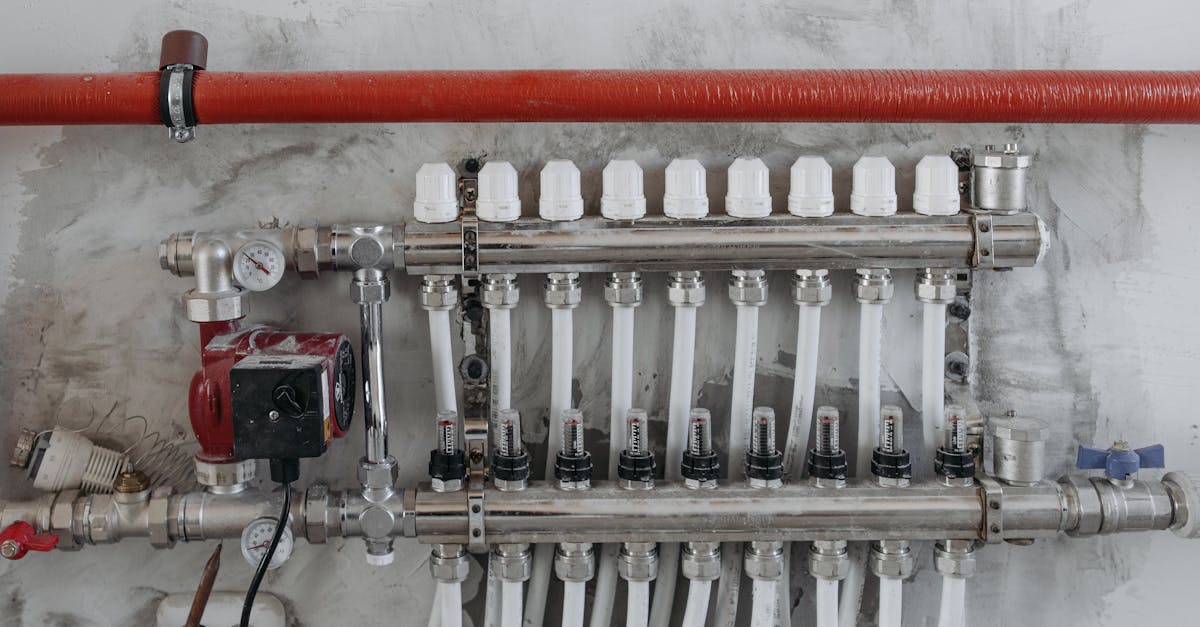
Picking a new hot water system in Brisbane isn’t quite as simple as swapping like for like anymore. Electric storage, gas continuous flow, heat pumps, solar with a booster, each comes with its own running cost profile, space requirements, and rebate opportunities that shift the maths for different households. Getting a hot water system installation brisbane homeowners can rely on long-term comes down to matching capacity to actual demand, choosing the right energy source, and using licensed installers who meet QBCC and Australian Standards compliance. This guide walks through how to weigh up the options, what to ask installers, and the maintenance habits that keep the system running well past its warranty.
Key Takeaways
- Choosing the best hot water system installation in Brisbane requires understanding different system types, such as electric, gas, heat pumps, and solar, to match your household’s needs and climate.
- Assess your household’s daily hot water demand and available space to select an appropriately sized and energy-efficient system that reduces waste and running costs.
- Hire licensed and insured installers like The Brisbane Plumbers to ensure compliance with local Brisbane regulations and safety standards for a reliable and safe installation.
- Compare multiple quotes to evaluate installation costs alongside ongoing energy efficiency, taking advantage of government rebates for solar and heat pump systems to save money.
- Regular maintenance by a licensed plumber, including inspections and component replacements, is essential to prolong your hot water system’s life and maintain optimal performance.
Understanding Different Types of Hot Water Systems
Hot water systems in Brisbane come in several common types, each suited to different needs. Electric storage systems are widely used due to their lower upfront cost, though they typically have higher running costs and often operate on off-peak tariffs. Gas storage systems benefit from faster reheating and use natural gas or LPG as fuel. Gas continuous flow (instantaneous) systems heat water only when needed, avoiding storage tanks and generally providing better efficiency.
Heat pumps operate by extracting heat from ambient air, making them energy-efficient in Brisbane’s mild climate even though higher initial costs. Solar systems, often paired with electric or gas boosters, require suitable roof space and solar exposure but offer the lowest running costs over time even though higher upfront expenses. Knowing these options helps homeowners understand which system fits their lifestyle and environment best.
Assessing Your Household’s Hot Water Needs
Determining hot water requirements involves evaluating how many people live in the home and the number of bathrooms in use. Peak-time demand, such as multiple morning showers, significantly influences system size and type. Household appliances like a dishwasher and laundry also add to daily hot water consumption.
Space constraints in Brisbane homes affect whether a storage tank can be installed inside or outside, and gas availability may steer choices toward gas-powered systems. Careful assessment of these factors ensures the selected hot water system provides reliable service without oversizing or wasting energy.
Key Factors to Consider When Selecting a Hot Water System
When choosing a hot water system, capacity matters, this means tank size for storage models or flow rate (litres per minute) for continuous flow types. The energy source available, whether electricity, gas, or solar, should guide the selection based on cost and availability in Brisbane.
Energy efficiency is critical: look for star ratings where applicable to balance upfront and running costs. Warranty details reflect product reliability and peace of mind. Installation location can affect noise levels, especially for heat pumps, and weather exposure, so consider indoor versus outdoor placement carefully.
Finding Qualified and Reliable Installers in Brisbane
Hiring licensed professionals ensures safe and compliant hot water system installation. In Brisbane, The Brisbane Plumbers, led by Director Joseph, offers licensed plumbing and gas fitting services, meeting Queensland Building and Construction Commission (QBCC) licensing requirements.
Consumers should verify insurance, warranties, and ask for references or reviews. Brisbane has several providers like Fallon Solutions and Jetset Plumbing, but The Brisbane Plumbers stand out for their 24/7 emergency availability, professional workmanship, and local expertise. Comparing multiple quotes and installer reputations helps choose a trustworthy partner.
Comparing Installation Costs and Ongoing Energy Efficiency
Obtaining 2–3 written quotes is advisable to understand the full installation expense, which includes the system unit, labour, fittings, and removal of old equipment. Brisbane homeowners should consider not only upfront costs but also annual energy consumption measured in kilowatt-hours or megajoules, as this influences long-term savings.
Government rebates may be available in Queensland for efficient, solar, or heat pump systems, reducing financial outlay. Evaluating both installation costs and operational efficiency ensures that the chosen system is financially sound and sustainable over its expected lifespan.
Ensuring Compliance with Local Brisbane Regulations and Safety Standards
Hot water installations in Brisbane must adhere to strict regulations, including the Queensland Plumbing and Drainage Act and Code, Australian Standards AS/NZS 3500 for plumbing, AS/NZS 3000 for electrical work, and AS/NZS 5601 for gas fittings. Proper temperature controls are mandatory: storage tanks require water heating to at least 60°C with tempering valves delivering about 50°C to prevent scalding.
Safety devices such as backflow preventers, pressure-limiting, and temperature-pressure relief (TPR) valves need correct installation and discharge. Solar hot water systems must comply with structural rooftop and electrical standards. Employing licensed installers like The Brisbane Plumbers ensures compliance, protecting households and property.
Maintenance Tips to Prolong Your Hot Water System’s Life
Routine maintenance extends the life and performance of hot water systems. A licensed plumber should inspect the system every 1 to 2 years, checking key components like the temperature-pressure relief valve and replacing it if necessary.
For steel tanks, sacrificial anodes should be replaced every 5–10 years following manufacturer recommendations to prevent corrosion. Heat pump systems require clear airflow and filter cleaning, while solar collectors need inspection to remove shading, dirt, or damage. Keeping installation areas clear and accessible helps ensure efficient function and quicker repairs when needed.
About The Brisbane Plumbers
Business: The Brisbane Plumbers
Spokesperson: Joseph
Position: Director
Phone: 1300 576 388
Email: [email protected]
Location: 2/187 Murphy Road Geebung, QLD 4034
Website: https://thebrisbaneplumbers.com.au/
Google Maps Link: https://maps.app.goo.gl/GUEDoELX34Ucw8Hh9
Frequently Asked Questions
What are the main types of hot water systems suitable for Brisbane homes?
Brisbane homes commonly use electric storage, gas storage, gas continuous flow, heat pump, and solar hot water systems. Each varies in upfront cost, efficiency, and suitability based on household needs and local climate.
How do I determine the right hot water system size for my Brisbane household?
Assess your household size, number of bathrooms, peak usage times, and appliances like dishwashers. This helps choose a system capacity that meets demand without oversizing, ensuring efficient hot water supply.
Why is it important to hire a licensed installer for hot water systems in Brisbane?
Licensed plumbers comply with Queensland regulations, ensure safety, proper installation, and warranty validity. They also guarantee work meets the QBCC and Australian standards, protecting your home and investment.
How do energy efficiency and running costs affect choosing a hot water system?
Energy-efficient systems reduce ongoing costs. For Brisbane, solar and heat pumps usually have higher upfront costs but lower running costs. Comparing star ratings and energy consumption helps balance initial expense with long-term savings.
Are there government rebates available for installing hot water systems in Brisbane?
Yes, Queensland and federal schemes may offer rebates for efficient, solar, or heat pump systems. These incentives can reduce installation costs, helping homeowners invest in sustainable hot water solutions.
What maintenance does a hot water system require to ensure longevity?
Routine upkeep includes inspections every 1–2 years, replacing TPR valves if needed, changing sacrificial anodes in steel tanks every 5–10 years, cleaning filters on heat pumps, and keeping solar collectors clear of dirt and shading.